
Sewer smell in the bathroom
Find whether the smell comes from a dry drain, a dirty sink overflow or the toilet seal, and when it needs a plumber.
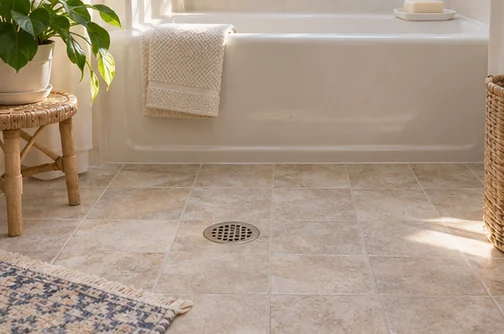
Short answer: A sewer smell is most often a dry drain trap in a tub, shower or floor drain that isn’t used, a dirty sink overflow or a failed toilet wax ring. Rule out gas, run water in unused drains, clean the overflow and check the toilet base. If it stays, a plumber should check the toilet seal and the vents.
Check the warning signs below first.
Use this guide at your own risk. It’s general information, not professional advice. By using it, you agree to our Terms of Use and Safety Waiver.
Check for danger first
If any of these are present, stop here.
- Gas odor, smoke or fire. Leave immediately. From outside, call emergency services. For a gas odor, also call the gas utility. Leave lights and switches alone.
- Burning smell, scorch marks, a hot outlet or a buzzing panel. Stop and call an electrician. Stay clear of a suspect panel.
- Water near electrical equipment or exposed wiring. Keep away. Never cross water to reach a plug or breaker. Call a qualified electrician.
None of these warning signs? Open the checks
What to check
Have ready. A flashlight, a gallon jug of water, baking soda, white vinegar and a list of drains that rarely get used.
Make sure it isn’t gas.
Natural gas has an added rotten-egg or sulfur smell that can be mistaken for sewer gas. If the smell is strong, near a gas appliance or comes with a hissing sound, leave and call the gas utility or 911 from outside.
Run water in unused drains.
Every drain has a trap that holds water to block sewer gas. In a guest tub, shower, sink or floor drain that sits unused for 2–4 weeks, that water can dry up. Pour about a gallon of water down each one, and repeat monthly.
Clean the sink overflow.
The small hole near the top of the sink can collect soap scum and grime that smell. Pour 1/2 cup of baking soda, then 1 cup of white vinegar into it, wait 15 minutes and rinse with hot water.
Check the toilet base.
If the smell is strongest at the base, water seeps out around it, or the toilet rocks, the wax ring seal under it may have failed. Replacing it means taking the toilet off, so call a plumber.
When to stop. If the smell stays after the traps are filled and the overflow is clean, fills the whole house or upper floors, or drains gurgle or back up, call a plumber. Vent pipes run up through the roof and need a pro. If people in the home get headaches or nausea, air out the room and call a plumber now.
What it costs
- The checks above: free.
- New toilet wax ring seal: $60–$150, labor included.
- Sewer line cleaning for an odor: $100–$200.
- Typical toilet repair: $149–$355, most people pay about $230.
National US ranges from 2025–2026 cost guides: Fixr: toilet repair · Fixr: sewer line cleaning · Thumbtack. Prices in your area may differ.
Common causes
- A dry drain trap. In a drain unused for 2–4 weeks, the water seal can evaporate and let sewer gas in. You can check
- A dirty sink overflow. The overflow hole traps soap scum, mold and debris that give off a foul smell. You can check
- A failed toilet wax ring. A wax ring that is crushed unevenly or sits on a low flange leaves a gap for gas; a rocking toilet is a sign. Call a pro
- A blocked or damaged vent. Roof vents let sewer gas out; when blocked, they can pull water from traps and push gas inside. Call a pro
- A blocked or broken sewer line. A clog or crack in the main line can back up gas and waste into the house. Call a pro
Sources: Oatey · Fixr · Public Service Commission of Wisconsin.
Further reading · Oatey
Still stuck? Get help with your exact problem.
Snap a photo and tell the app what you’ve tried. It walks you through your model, one safe step at a time, and tells you when to call a pro. Your first fix in the app is free.
The app is coming soon. Get one email the day it launches.
One email when the app launches. No spam. Privacy Policy