
Pipes banging or water hammer
Find out whether quick-closing valves, high water pressure, loose pipes or waterlogged air chambers are making your pipes bang.
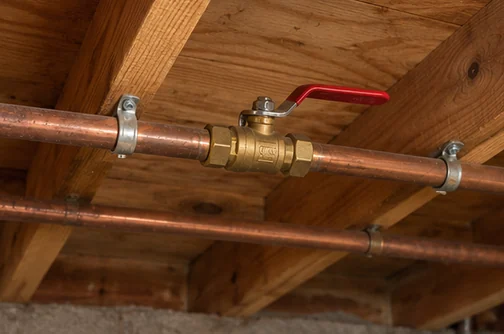
Short answer: Banging pipes usually come from water stopping fast at a quick-closing valve, high water pressure, loose pipes or air chambers that have filled with water. Note when it bangs, test the pressure, check visible pipes and drain the lines once. If pressure is above 80 psi or it keeps banging, call a plumber.
Check the warning signs below first.
Use this guide at your own risk. It’s general information, not professional advice. By using it, you agree to our Terms of Use and Safety Waiver.
Check for danger first
If any of these are present, stop here.
- Gas odor, smoke or fire. Leave immediately. From outside, call emergency services. For a gas odor, also call the gas utility. Leave lights and switches alone.
- Burning smell, scorch marks, a hot outlet or a buzzing panel. Stop and call an electrician. Stay clear of a suspect panel.
- Water near electrical equipment or exposed wiring. Keep away. Never cross water to reach a plug or breaker. Call a qualified electrician.
None of these warning signs? Open the checks
What to check
Have ready. A flashlight, a water pressure gauge that screws onto a hose faucet, and someone to run fixtures while you listen.
Notice when it bangs.
A bang right after the washing machine or dishwasher stops filling points to their quick-closing valves. A bang when you shut a faucet points to that fixture’s pipes. A rattle while water runs often means a loose pipe.
Test the water pressure.
Screw a pressure gauge onto an outdoor faucet or utility sink faucet, turn it on fully and read it. This Old House calls anything above 80 psi high. High pressure can cause banging and wears out fixtures and appliances.
Look for loose pipes you can see.
In an unfinished basement or crawlspace, look for pipes that move or hang loose from their mounts. Moen says to tighten the mount or add a new one. Leave pipes inside walls alone.
Drain the pipes to refill air chambers.
Many homes have air chambers that cushion the water and can fill with water over time. Moen’s fix: turn off the main, open faucets from the top floor down, flush the toilets and leave the faucets open about 30 minutes. Then close them and turn the main back on. This only helps if your home has air chambers.
When to stop. Stop and call a plumber if pressure reads above 80 psi, the banging comes back after draining, pipes leak, or the noise comes from inside walls. Pressure-reducing valves and water hammer arrestors are plumber jobs.
What it costs
- The checks above: free.
- Typical plumbing job: $205–$654.
- Plumber hourly rate: $75–$150, national average about $90.
National US ranges from 2025–2026 cost guides: Thumbtack · Fixr. Prices in your area may differ.
Common causes
- Quick-closing appliance valves. Washing machines and dishwashers shut their water off fast, and the sudden stop can bang the pipes; a plumber can add a water hammer arrestor. Call a pro
- Air chambers full of water. Air chambers cushion the water, but they can fill with water and stop working until the lines are drained. You can check
- Loose pipe mounts. Pipes that aren’t held tight can move and rattle when water starts or stops. You can check
- High water pressure. Pressure above 80 psi is considered high and can cause banging; a pressure-reducing valve is cut into the main line, so a plumber installs it. Call a pro
- Missing or clogged air chambers. Some homes never had air chambers, and scale can block the ones they have. Call a pro
Sources: Moen · This Old House · This Old House pressure · Moen PRV.
Further reading · Moen
Still stuck? Get help with your exact problem.
Snap a photo and tell the app what you’ve tried. It walks you through your model, one safe step at a time, and tells you when to call a pro. Your first fix in the app is free.
The app is coming soon. Get one email the day it launches.
One email when the app launches. No spam. Privacy Policy