
Boiler not heating
Check the thermostat, the boiler’s power and its pressure gauge, and know when cold radiators need a heating technician.
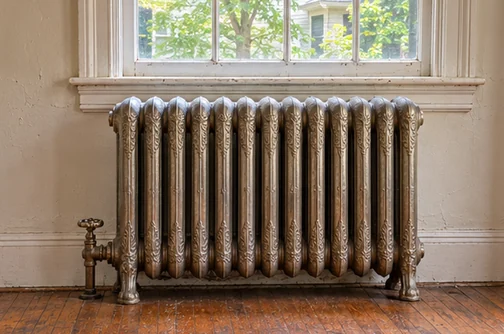
Short answer: A thermostat setting, a switch or breaker that is off, low system pressure or air in the radiators are common reasons a boiler gives no heat. Check the thermostat and the boiler’s power, read the pressure gauge against your manual, and bleed radiators only if the manual says so, with the system cool. Low or dropping pressure, leaks or a pilot that won’t stay lit need a licensed heating technician.
Check the warning signs below first.
Use this guide at your own risk. It’s general information, not professional advice. By using it, you agree to our Terms of Use and Safety Waiver.
Check for danger first
If any of these are present, stop here.
- Gas odor, smoke or fire. Leave immediately. From outside, call emergency services. For a gas odor, also call the gas utility. Leave lights and switches alone.
- Burning smell, scorch marks, a hot outlet or a buzzing panel. Stop and call an electrician. Stay clear of a suspect panel.
- Water near electrical equipment or exposed wiring. Keep away. Never cross water to reach a plug or breaker. Call a qualified electrician.
None of these warning signs? Open the checks
What to check
Have ready. A flashlight, the boiler’s manual or the label on it, and a radiator key if your manual says you can bleed radiators.
Check the thermostat.
Make sure it’s set to heat and set a few degrees above the room temperature. If the screen is blank, replace its batteries.
Check the boiler’s power.
Look for a service switch on or near the boiler that is turned off, and check the boiler’s breaker. If the breaker has tripped, switch it fully off and then on once. If it trips again, leave it off and call a technician. If your boiler has a standing pilot that is out, relight it only by following the lighting instructions on the boiler’s label.
Read the pressure gauge.
With the boiler cool, compare the gauge with the range in your manual. One maker gives about 12 psi as normal cold pressure for many homes, but the right number varies by system. If it reads low, or water drips from the relief valve pipe, don’t touch the valve or its pipe: the water can scald. Call a heating technician.
Bleed radiators only if your manual says so.
Some radiators stay cold because air is trapped in them. Turn the heat off and let the system cool first. Open the bleed valve slowly with a radiator key and close it when water comes out. Bleeding can lower the boiler pressure, so check the gauge again afterward.
When to stop. If you smell gas, leave and call the gas utility from outside. If a carbon monoxide alarm sounds, get everyone outside and call 911. If there’s still no heat after these checks, the pressure keeps dropping, you see leaks, or the pilot won’t stay lit, call a licensed heating technician. Have a fuel-burning boiler inspected by a professional every year.
What it costs
- The checks above: free.
- Pro boiler repair: $150–$750, about $450 on average.
- Common fixes: expansion tank $200–$800; circulator pump $300–$1,100.
- Boiler repair national average range: $184–$793.
National US ranges from 2025–2026 cost guides: Fixr · Thumbtack. Prices in your area may differ.
Common causes
- Thermostat set too low. If the thermostat isn’t set to heat above the room temperature, the boiler never gets a call for heat. You can check
- Service switch or breaker off. A boiler switch that was turned off, or a tripped breaker, leaves the burner without power. You can check
- Air trapped in radiators. Air keeps hot water from filling a radiator, so it stays cold at the top or all over until it’s bled. You can check
- Low system pressure or a leak. Low pressure can make the boiler shut down to protect itself; pressure that keeps dropping points to a leak or an expansion tank problem. Call a pro
- Circulator, ignition or control failure. A failed pump, igniter, burner or control keeps heat from reaching the radiators and needs a technician. Call a pro
- Sludge in the pipes. Dark, dirty water from a radiator suggests sludge blocking the flow, which needs professional cleaning. Call a pro
Sources: Weil-McLain · Carrier · Carrier boiler repair · Viessmann · CPSC.
Further reading · Weil-McLain
Still stuck? Get help with your exact problem.
Snap a photo and tell the app what you’ve tried. It walks you through your model, one safe step at a time, and tells you when to call a pro. Your first fix in the app is free.
The app is coming soon. Get one email the day it launches.
One email when the app launches. No spam. Privacy Policy