
Toilet has a weak flush
Find out whether low tank water, a flapper that closes too soon, clogged rim holes or a partial clog is weakening the flush.
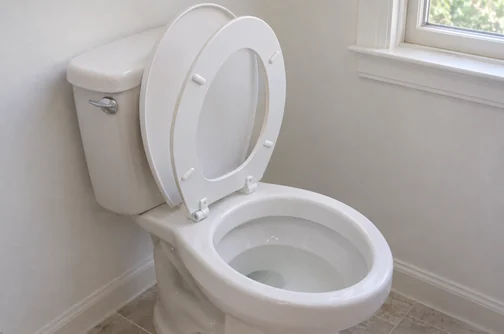
Short answer: A weak flush usually means the tank water is too low, the flapper closes too soon, or the rim holes or toilet are partly clogged. Check the water level and chain, clean the rim holes and plunge once. If it’s still weak or other drains gurgle, call a plumber.
Check the warning signs below first.
Use this guide at your own risk. It’s general information, not professional advice. By using it, you agree to our Terms of Use and Safety Waiver.
Check for danger first
If any of these are present, stop here.
- Gas odor, smoke or fire. Leave immediately. From outside, call emergency services. For a gas odor, also call the gas utility. Leave lights and switches alone.
- Burning smell, scorch marks, a hot outlet or a buzzing panel. Stop and call an electrician. Stay clear of a suspect panel.
- Water near electrical equipment or exposed wiring. Keep away. Never cross water to reach a plug or breaker. Call a qualified electrician.
None of these warning signs? Open the checks
What to check
Have ready. A flashlight, a plunger, rubber gloves and a lime or hard-water cleaner made for toilets.
Check the tank water level.
Lift the tank lid. The water should sit about 1/2 inch below the top of the overflow tube. Fluidmaster says water more than 1 inch below it can cause a weak flush, so raise it with the fill valve’s adjustment screw if it’s low.
Check the flapper chain.
Flush and watch the flapper. It should lift fully and stay open until most of the tank empties. If it drops shut right away, shorten the chain so it has only about 1/2 inch of slack.
Clean the rim holes.
Hard-water deposits can block the small holes under the rim. Turn off the water at the valve behind the toilet, flush to empty the tank, then pour a lime or hard-water cleaner into the flush valve opening and let it sit 8–24 hours, as Kohler directs. Follow the label and never mix cleaners.
Plunge once for a partial clog.
If the bowl fills high and drains slowly, something may be partly stuck in the toilet. Use a plunger with firm, steady strokes, then test with one flush.
When to stop. Stop and call a plumber if the flush is still weak, bubbles rise in the bowl, other drains gurgle when you flush, or more than one drain is slow. Those point to a blocked vent or drain line.
What it costs
- The checks above: free.
- Plumber toilet repair: $149–$355, most pay about $230.
- Common fix: a new flapper, $60–$120 installed.
National US ranges from 2025–2026 cost guides: Thumbtack · Fixr. Prices in your area may differ.
Common causes
- Tank water too low. Water more than 1 inch below the top of the overflow pipe leaves too little water for a full flush. You can check
- Flapper closing too soon. A loose chain or worn flapper drops shut early, so not enough water is released to finish the flush. You can check
- Clogged rim holes. Hard-water deposits in the holes under the rim slow the water that rinses the bowl. You can check
- Partial clog. Something stuck in the toilet or drain lets water through slowly and weakens each flush. You can check
- Blocked vent. Newer toilets need good venting; signs include bubbles in the bowl, a slow-falling bowl and sounds from other drains. Call a pro
- Wrong flapper or older toilet design. The flapper must match the toilet’s flush volume, and some older designs simply flush weakly. Call a pro
Sources: Fluidmaster · Kohler poor flush · Kohler rim wash · HomeTips.
Further reading · Fluidmaster
Still stuck? Get help with your exact problem.
Snap a photo and tell the app what you’ve tried. It walks you through your model, one safe step at a time, and tells you when to call a pro. Your first fix in the app is free.
The app is coming soon. Get one email the day it launches.
One email when the app launches. No spam. Privacy Policy