
AC making noise
Tell normal AC sounds from ones that mean you should shut it off, and check for debris at the outdoor unit and a dirty filter.
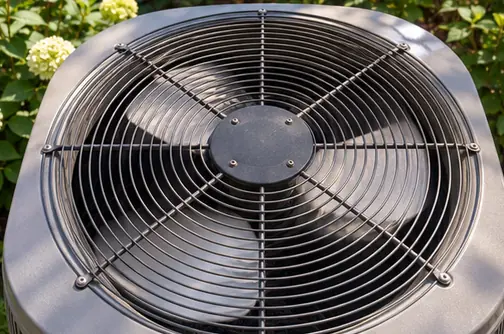
Short answer: A steady whir outside and a single click when the system starts or stops are normal. For rattling, turn the system off and clear debris from around the outdoor unit, then replace the filter and note when the noise happens. Buzzing, repeated clicking, squealing or hissing means turn it off and call an HVAC technician.
Check the warning signs below first.
Use this guide at your own risk. It’s general information, not professional advice. By using it, you agree to our Terms of Use and Safety Waiver.
Check for danger first
If any of these are present, stop here.
- Gas odor, smoke or fire. Leave immediately. From outside, call emergency services. For a gas odor, also call the gas utility. Leave lights and switches alone.
- Burning smell, scorch marks, a hot outlet or a buzzing panel. Stop and call an electrician. Stay clear of a suspect panel.
- Water near electrical equipment or exposed wiring. Keep away. Never cross water to reach a plug or breaker. Call a qualified electrician.
None of these warning signs? Open the checks
What to check
Have ready. A flashlight, a new filter in the right size, and a note of what the noise sounds like and when it happens.
Know the normal sounds.
A steady whir from the outdoor unit is normal. A single click from the thermostat when the system turns on or off is usually a relay switching. Clicking that keeps going, or a sudden loud noise from a normally quiet unit, isn’t normal.
Turn it off and look for debris outside.
For rattling, set the thermostat to Off and turn off the outdoor unit’s breaker. Then clear leaves, sticks and dirt from around the unit and keep two feet clear on all sides. Don’t reach into the fan or open the cabinet.
Replace the filter.
A clogged filter restricts airflow and strains the system. With the system off at the thermostat, put in a new one.
Note when the noise happens.
Write down whether it’s buzzing, humming, clicking, rattling, squealing or hissing, and whether it happens at startup, at shutdown or while running. That helps the technician find the cause.
When to stop. If you hear buzzing, loud humming, repeated clicking, squealing, grinding or hissing, or rattling that continues after you clear debris, turn the system off at the thermostat and call an HVAC technician. Capacitors, contactors, fan motors and refrigerant leaks are pro work. If you smell burning, turn it off and call right away.
What it costs
- The checks above: free.
- Pro AC repair: $250–$700, about $375 on average.
- Common fixes: a capacitor, $150–$400; a contactor, $100–$450; a fan motor, $300–$800.
- Expect a service call fee of at least $75 in most cases.
National US ranges from 2025–2026 cost guides: Fixr · This Old House. Prices in your area may differ.
Common causes
- Debris at the outdoor unit. Leaves, dirt and sticks around the condenser can block it, and Carrier lists clearing them as a homeowner job. You can check
- Thermostat relay clicking. A single click when the system turns on or off is usually the relay switching; continuous clicking may mean a problem. You can check
- Capacitor, contactor or fan motor. Humming, buzzing or clicking at the outdoor unit can point to these high-voltage parts. Call a pro
- Loose or damaged fan blade or part. A cracked or loose blade, or a loose screw or bolt, can rattle, vibrate or strike other parts. Call a pro
- Refrigerant leak. Hissing near the indoor coil or refrigerant lines can mean a large leak, and only EPA-certified technicians may handle refrigerant. Call a pro
- Failing motor or compressor. Grinding, rattling or loud humming can mean the fan, blower motor or compressor is failing. Call a pro
Sources: Trane · Carrier · Carrier repair · Lennox.
Further reading · Trane
Still stuck? Get help with your exact problem.
Snap a photo and tell the app what you’ve tried. It walks you through your model, one safe step at a time, and tells you when to call a pro. Your first fix in the app is free.
The app is coming soon. Get one email the day it launches.
One email when the app launches. No spam. Privacy Policy